Your Simple Guide to Recycling and Composting in Kitsap County
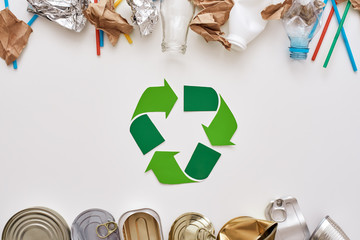
Recycling and composting are both great ways to make a big difference for the environment. In reducing the waste sent to landfills, natural resources are conserved, energy is saved, and greenhouse gas emissions are reduced. By understanding composting and recycling, each person can play their part in having a positive effect on the environment!
What To Recycle?
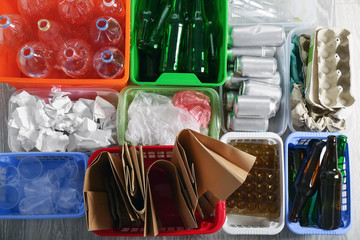
Recycling can be complex, but it doesn’t have to be! Below is a simple list of considerations that should be made before tossing an item in the recycling bin!
- Kitsap County Recycling: No matter what waste management company collects the trash, the rules on what can be recycled throughout Kitsap County will all be the same. This is because all the recycling from Kitsap County residents goes to the same waste management facility in Tacoma to be sorted.
- Take Recyclables Out of the Plastic Bag: Recycling should not be inside a plastic bag when it goes into the recycling bin. Recyclables should be empty and loose in the cart so they can be easily sorted at the recycling center.
- Numbered Recycling Codes: The numbers found on most plastic items are called Resin Identification Codes. These numbers go from 1 through 7 and indicate what type of plastic resin the item is made from. Generally, items with numbers 1, 2, and 5 are the most likely to be recyclable while numbers 3, 4, 6, and 7 are the least likely to be recyclable. However, just because an item has the 1, 2, or 5 code does not mean it is recyclable in Kitsap County! The shape of the item is very important, which is why recycling codes should not be the only consideration towards whether an item can be recycled.
Most Common Recyclables:
- Plastic: There are four common shapes of plastic products that can be recycled in Kitsap County; bottles, jugs, jars, and dairy tubs. If a plastic item does not fit one of these shapes, it should not be recycled. These items should be rinsed clean before they are placed in the recycling. Also, the lids of all these items, including dairy tub lids, should be removed and placed in the trash.
- Paper: This is not an exhaustive list of recyclable paper, but generally mail, envelopes (including envelopes with windows), magazines, newspapers, tissue paper, paper egg cartons, and paper bags can be recycled. Shredded paper, and paper smaller than the size of a credit card, should not be recycled. Paper milk and juice cartons should not be recycled as they can be coated in a resin material. This rule was newly implemented in June 2021.
- Glass: Similarly to plastic products, glass bottles and jars can be recycled after being cleaned and having their lids removed. Broken glass should not be recycled.
- Metal/Aluminum: Cleaned metal cans can be recycled with their lids if the lid can be placed snuggly inside of the can. The lids should not be loose. Soda cans can also be recycled after they are emptied and rinsed, and they should not be crushed.
- Cardboard: Cardboard should be flattened before recycling. Frozen food containers should not be recycled as they can be coated in wax. Cardboard also should not be recycled if it is contaminated by food or grease.
- Non-Recyclable Items: It would be impossible to list all items that cannot be recycled, but this is a list items commonly mistaken as recyclables: large plastic tubs, plastic cups (including fast food and take out cups), clamshell boxes and other takeout boxes, plastic cutlery, straws, bottle lids, napkins, plastic product containers, paper towels, plastic bags, prescription bottles, aluminum foil, styrofoam, hoses, and coffee pods all cannot be recycled.
- Waste Wizard: Using Kitsap County’s own Waste Wizard website, instructions can be found on where different items belong!
- Err on the Side of Trash: The lists above are not extensive, so if it is unclear whether an object can be recycled, it is best to place it in the trash. This might feel wrong, but placing a non-recyclable item into the recycling can contaminate the rest of the recyclables and cause the recycling to end up in the garbage.
What is Composting?
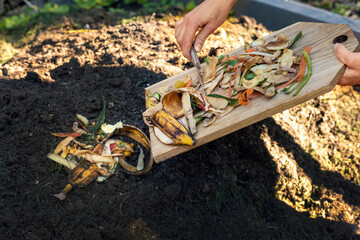
Composting is another great way to reduce waste and benefit the environment. While there are many different ways to compost at home, this guide specifically focuses on commercial composting – or the kind which could be collected by a waste management service. Getting a compost bin is the same process as obtaining a recycling bin. Information about composting bins can be found using the websites below:
Just like recycling, composting comes with its own set of rules. Before composting an item, it is important to know what should and should not be in the compost bin.
Most Common Compostable Items:
- Food: Leftover grain, meat, poultry, fish, dairy, fruit, eggshells, bones, pet food and fruit and vegetable food scraps all can be put into the composting bin along with a lot more! Before the food goes in the compost, make sure any tags, ties, or stickers have been removed.
- Plant Trimmings: Indoor plant trimmings, flower clippings, small twigs and branches, and grass clippings all belong in the compost!
- Food-Soiled Waste: Greasy or food stained boxes, coffee filters, tea bags, food soiled plates, wooden utensils, napkins, paper towels (that have not been used with cleaning products), and more. Before composting any paper plates or boxes, it is important to make sure they are not coated with a wax lining.
- BPI Certified Products: Many products may say “biodegradable” or “environmentally friendly” but that does not mean it can be composted. The key is to look for products labeled BPI-Certified Compostable. If the product has this label, then it can be composted. To be sure, the BPI World website can help find any product that may be BPI certified.
- Things To Keep Out: Items such as plastic bags, fats and oils, pet waste, any type of plastic, rocks, diapers, glass, noxious weeds, and dryer sheets are not compostable. This is not an exhaustive list of non-compostable items, so it is important to research each item carefully.
- Just like with recyclables, if there is uncertainty whether an item is compostable then it’s best to toss it in the trash.
Reduce, Reuse, Recycle

Another great way to help the environment is to reduce the number of items that end up in the trash. Before tossing an item in the trash, consider whether or not that item could be repurposed into something new. “Shoeboxes can be used as storage containers, and glass jars can be repurposed as cups or pencil holders—there are countless creative ways to reuse items that might otherwise be considered garbage.
Using reusable items is another great way to reduce waste! Reusable bags and water bottles help to keep extra trash out of landfills. There are also many coffee shops throughout Kitsap County that allow customers to bring in their own personal cups. These locations can be found through the Bring Your Own Cup website. Some coffee shops even give a discount to customers who bring their own mug!
Making sense of recycling and composting doesn’t have to be complicated. With a little effort, it’s easy to form habits that reduce waste and keep useful materials out of the landfill. Whether it’s rinsing out a jar, separating food scraps, or reusing a shoebox, small actions add up. By staying informed and making thoughtful choices, everyone can help keep Kitsap County a little cleaner and a little greener!